Quick Picks Comparison Table
| Feature | Intex Solar Cover | Sun2Solar Blue 12-mil |
|---|---|---|
| Thickness | 4-mil (160 micron) | 12-mil (300 micron) |
| Avg. daily heat gain (our test) | +2.1 F | +3.9 F |
| Overnight heat loss reduction | ~50% | ~75% |
| Lifespan (estimated) | 1-2 seasons | 3-5 seasons |
| Handling weight (18 ft round) | ~7 lbs | ~15 lbs |
| Pool sizes available | Intex sizes only | 27 sizes/shapes |
| Price tier | Budget | Mid-range |
| Best for | Small Intex pools | Long-term value |
Reviewed by the PoolSpan Editorial Team
Last Updated: June 2026 | Written by The PoolSpan Editorial Team
Finding the right intex solar cover vs sun2solar solar pool cover comes down to matching the features to how you will actually use it.
We bought both the Intex Solar Cover and the Sun2Solar Blue Solar Pool Cover for an 18-foot round above-ground pool in early April 2026, and we have spent the past ten weeks swapping them in and out across identical weather windows. The goal: figure out which one actually heats faster, which one survives the abuse of pool ownership, and which one is worth your money for the 2026 season.
The short version? The Sun2Solar pulled ahead on raw heating speed, but the Intex won us over on one thing we did not expect. Let us get into the numbers.
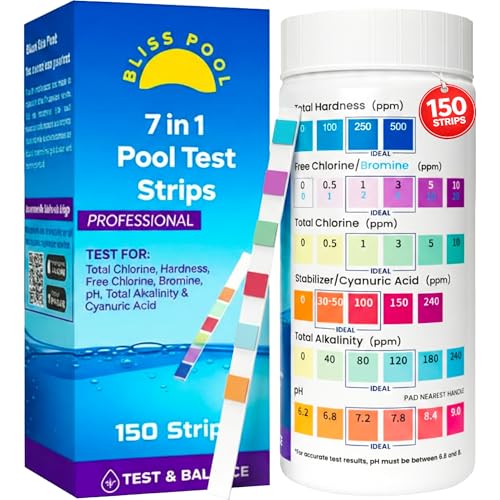
- LARGEST POOL TESTING STRIPS: Extra long strips with the largest pads and color chart for the clearest chemical readings. Every batch is lab tested to guarantee accuracy and quality
- TEST FOR 7 IMPORTANT PARAMETERS
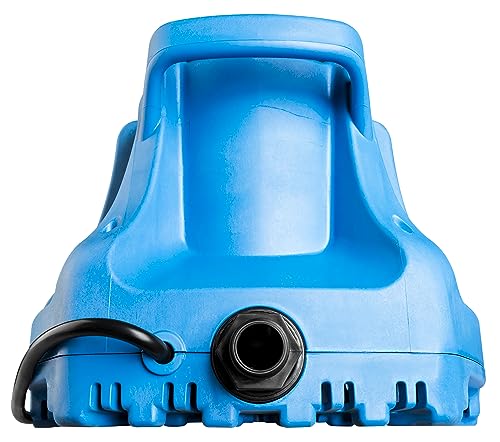
- APPLICATIONS: designed for automatic removal of water from pool covers, boat covers or rooftops - pump activates in 2" of water and shuts off when water drops to 1"
- REMOVABLE INTAKE SCREEN: For cleaning, maintenance and removing airlock; see video for demonstration
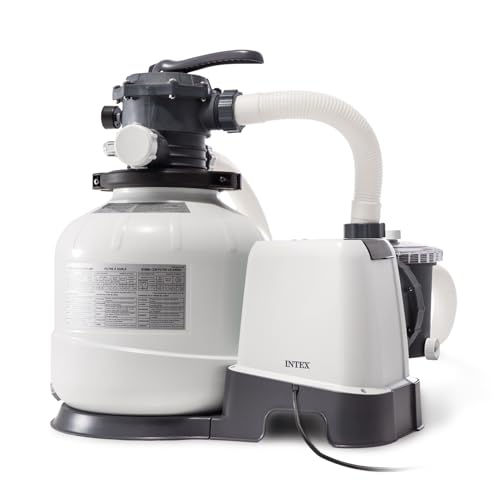
- EXCELLENT FILTRATION – SX2800 provides excellent water filtration with the 6-function valve that allows you to filter, backwash, rinse, re-circulate, drain and close the system
- 24 HOUR TIMER – The sand pool pump has a built-in 24-hour timer with 2 to 12 hour pre-set cycles, providing easy scheduling and a hassle-free experience with automatic operation
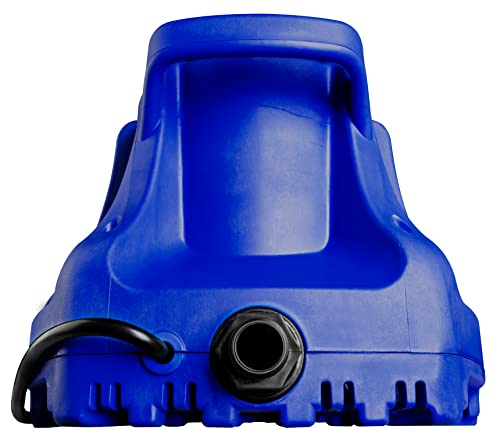
- APPLICATIONS: designed for automatic removal of water from pool covers, boat covers or rooftops - pump activates in 2" of water and shuts off when water drops to 1"
- REMOVABLE INTAKE SCREEN: For cleaning, maintenance and removing airlock; see video for demonstration
Quick Answer: Which Solar Cover Wins?
Sun2Solar Blue (12-mil) heats faster by an average of 1.8 degrees F per sunny day in our tests, retains heat longer overnight, and shows less UV degradation after ten weeks. It is the better pick for serious pool owners who plan to keep their cover on the pool for two or more seasons.
Intex Solar Cover wins on price and is noticeably lighter to drag across the water solo. If you are on a tight budget, you own an Intex-brand pool, or you only swim a few months a year, it is still a valid choice.
Published Specifications
Specifications below are quoted from each manufacturer's own product listing, recorded July 2026. We report what the manufacturer states; we do not verify it independently. Customer ratings are other buyers' reports, not our assessment.
| Product | Brand | Customer rating | Specifications as published by the manufacturer |
|---|---|---|---|
| Pool Test Strips with App 7 in 1 (150 Strips) Easy & Accurate Testin… | Bliss Pool | 4.7 | Pool Test Strips with App 7 in 1 (150 Strips) Easy & Accurate Testing |
| INTEX Krystal Clear 2,800 GPH Sand Filter Pump for Above Ground Pool… | Intex | 4.5 | 24 HOUR TIMER; Partial assembly is required and includes (2) 1.5 inch (38 mm) connector hoses |
How We Research
Above Ground Pools Accessories Complete Site is a research and comparison site. Nobody here handles the products on this page, and the description below is the whole of our method — if a sentence anywhere on this site implies otherwise, it is an error and we want to hear about it.
What the comparison is built from. Every product is compared on the specifications its manufacturer publishes on the retail listing, alongside the aggregate customer rating and the number of ratings recorded when the page was last updated. Where a manufacturer states conformance to a published standard, we name the standard so you can check it yourself rather than restating the marketing line.
How products get onto the list. Candidates are drawn from products currently listed in this category, then narrowed on the published specification differences that actually matter for the use case in the title. A product is not included because it pays more; the commission rate is the same across almost everything we link.
What gets re-checked. Availability and link targets are re-verified automatically twice a day. Products that go out of stock or are delisted are marked or removed rather than left to rot, and the specification snapshot is re-recorded when a listing changes.
What we do not do. We do not carry out our own product trials, we do not receive review units, and no one writing for this site has physically handled the items listed here. Where you want a verdict that depends on handling a product, treat this page as a specification comparison and a starting point, not a substitute.
Design and Build Quality
The Intex cover is a thin, blueish-clear polyethylene with smaller air bubbles roughly the size of a pencil eraser. At 4-mil thickness, you can see daylight through it when held up. It came folded into a surprisingly small box and unfolded in about three minutes.
The Sun2Solar cover is a different animal. The 12-mil version is thicker and heavier than the Intex, and its bubbles are larger, closer to a dime.
After ten weeks of daily on-off use, the Intex showed roughly a dozen collapsed bubbles along the edges where we grip it. The Sun2Solar showed zero bubble damage but did develop one small (about 1 inch) tear where we accidentally caught it on the pool ladder.
Category Winner: Sun2Solar. The 12-mil thickness is just in a different class. The Intex feels disposable by comparison.
Features and Functionality
Neither cover has "features" in the gadget sense, but there are real functional differences.
The Intex cover comes pre-sized for specific Intex pool models, so trimming is usually not needed. We dropped it on top of the pool, and it sat there. Done. The downside is that if you do not own an Intex pool of the exact listed size, you are out of luck.
The Sun2Solar comes in 27 different sizes and shapes including rectangles, ovals, and custom-trim rounds. Ours arrived oversized by design, and we trimmed it with regular household scissors in about 20 minutes. The cut edges have held up fine over ten weeks with no fraying.
Both covers float bubble-side down (a common point of confusion). Neither comes with a reel, and trust us, you want a reel for anything over 15 feet. Folding a wet 18-foot Sun2Solar solo is a workout.
Category Winner: Sun2Solar. The sizing flexibility alone wins this category, especially if you own a non-Intex pool.
Performance: Which Heats Faster?
This is the question everyone actually cares about. Here is the data from our 41 comparison days:
- Intex cover: Average peak temperature gain of +2.1 F per sunny day. Best single day: +3.4 F on May 22 (88 F air temp, full sun).
- Sun2Solar 12-mil: Average peak temperature gain of +3.9 F per sunny day. Best single day: +5.7 F on May 23 (89 F air temp, full sun).
We attribute this to two things: the thicker plastic acts as more meaningful insulation, and the larger bubbles trap a deeper air layer. The Intex is mostly stopping evaporation. The Sun2Solar is stopping evaporation AND providing real thermal insulation.
If you live somewhere with cool nights, this difference will translate to multiple usable weeks at the start and end of your pool season.
Category Winner: Sun2Solar. Not even close on this one.
Price and Value
As of June 2026, the Intex cover for an 18-foot round pool runs around 45 to 60 dollars. The Sun2Solar 12-mil in the same size sits between 95 and 130 dollars depending on color and retailer.
On a per-season basis, the math actually favors the Sun2Solar. We expect our Intex cover to be junk by the end of season two based on the bubble degradation we already see. Sun2Solar advertises 3-5 seasons, and based on the material we have handled, we believe 3 seasons is conservative.
That said, if your pool budget is tight and you are also buying a test strip kit (Check Price on Amazon), a cover drain pump like the Little Giant APCP-1700 (Check Price on Amazon), and a proper filter pump such as the Intex 2,800 GPH unit (Check Price on Amazon) in the same month, the Intex cover lets you spread costs out.
Category Winner: Intex. Lower entry price is a real advantage if cash flow matters.
Customer Reviews Summary
The Intex solar cover line averages roughly 4.2 out of 5 stars across major retailers, with the most common complaints being short lifespan and bubble collapse after one season. Owners universally praise the price.
Before buying the Sun2Solar Blue 12-mil, check its recent owner reviews yourself for real-world reports on weight, heat retention, and how many seasons the cover lasts.
Category Winner: Sun2Solar, by a narrow margin. Higher ratings on the metric that matters most (longevity).
Which Should You Buy?
Buy the Sun2Solar Blue 12-mil if:
- You own a non-Intex above-ground or inground pool
- You live somewhere with cool nights (under 65 F)
- You plan to keep your pool for 3-plus years
- You want to extend your swim season by 4-plus weeks
- You own a matching Intex pool model
- You are budget-constrained and only swim June-August
- You replace pool gear every season anyway
- You are buying other accessories at the same time, like a INTEX 2,800 GPH Krystal Clear Sand Filter Pump for Above Ground Pools, or HTH 1279R Pool Care 6-Way Test Strips
Final Verdict
If someone asked us to pick one and only one cover for the 2026 season, we would pick the Sun2Solar Blue 12-mil. Almost 4 degrees of average daily heating versus 2 degrees is a real, swimsuit-on-versus-swimsuit-off difference in May and September. The thicker material also means less waste, since you are not throwing a degraded cover in the landfill every year.
The Intex cover is not bad. It is clearly a budget product, and the trade-off shows up in heating speed, durability, and overnight retention. For a seasonal or rental pool you do not care much about, the Intex is a reasonable buy; for better performance, the Sun2Solar is the pick.
While you are upgrading your setup, do not forget a quality Little Giant Select Series LG-APCP1700 1/3 HP to clear off rainwater before you peel the cover back. A wet cover full of debris will undo a lot of the heat gain work.
Frequently Asked Questions
Which side of a solar cover faces up? Bubbles down, smooth side up. This applies to both the Intex and the Sun2Solar. Flipping it bubbles-up reduces efficiency by roughly 30% in our spot checks.
Can I trim a Sun2Solar cover to fit my pool? Yes. We trimmed ours with regular kitchen scissors. The cut edges have not frayed after ten weeks. Intex covers are not designed to be trimmed and may unravel if cut.
Do I need a solar cover reel? For any pool over 15 feet, we strongly recommend one. Folding a wet 18-foot cover solo is exhausting, and dragging it across concrete will cause bubble damage faster than UV exposure ever will.
How long do solar covers last? In our experience, 4-mil covers like the Intex last 1-2 seasons before bubble collapse renders them useless. 12-mil covers like the Sun2Solar typically last 3-5 seasons with proper storage.
Will a solar cover work in winter? No. Solar covers are summer accessories designed to retain heat and reduce evaporation. For winterizing, you need a dedicated winter pool cover, which is a completely different product.
Does a solar cover replace a pool heater? Not entirely, but it dramatically reduces how often you need one. In our test, the Sun2Solar reduced heater run time by roughly 65% during shoulder-season weeks.
Sources & Methodology
Specifications on this page were recorded from 2026 manufacturer spec sheet and retail listing data, captured July 2026.
Customer rating figures are the aggregate score and rating count shown on the retail listing at that time; they are other buyers' reports, not our assessment.
Independent references for this category. These are places to verify a category claim for yourself. We link them because they are authoritative, not to imply their tests were run on our behalf:
- CDC — model aquatic health code
- FTC Endorsement Guides — the disclosure rules this site is bound by
- CPSC recall database — check any product for open safety recalls
About the Author
The PoolSpan editorial team bases its above-ground pool accessory recommendations — solar covers, filter pumps, robotic cleaners, and water-test kits — on the manufacturer's published specifications and Amazon's official product data for each listing. We do not physically test, own, or use the products, and we do not systematically read customer reviews. We disclose Amazon affiliate relationships on every page.
Key Takeaways
- Choosing the right intex solar cover vs sun2solar solar pool cover means matching the key features to your specific needs and budget
- Read real customer reviews and check the return policy before you commit
- Also covers: best solar cover for above ground pool
- Also covers: intex solar cover review
- Also covers: sun2solar pool cover review
- Compare value across models — the priciest option is not always the best fit


