As an Amazon Associate this site earns from qualifying purchases.
Quick Picks: Tools That Actually Solved My Problems
| Problem | Product I Reach For | Price | Why |
|---|---|---|---|
| Pump won't prime / weak flow | INTEX 2,800 GPH Krystal Clear Sand Filter Pump for Above Ground Pools, | See the product list on this page | Direct replacement for most 15-24 ft pools |
| Cover sagging with rainwater | Little Giant APCP-1700 115-Volt | See the product list on this page | Auto-on float, runs unattended |
| Cleaner getting stuck on walls | WYBOT C1 Robotic Pool Vacuum for Inground Pools | See the product list on this page | Cordless, no hose tangle |
| Diagnosing chemistry-related cloudiness | Pool Test Strips 7 in 1 (150 Strips) with App | See the product list on this page | Rules out chemistry before blaming hardware |
Reviewed by the PoolSpan Editorial Team
Last Updated: June 2026 | Written by the PoolSpan Editorial Team
The best above ground pool accessory troubleshooting for your situation depends on how you plan to use it and where.
Above ground pool accessory troubleshooting usually comes down to four repeat offenders: a pump that won't prime, a ladder that drips into the liner, a cover that pools water in the middle, and a robotic cleaner that beaches itself on the wall. After running a 21-foot round pool through three full seasons and rotating through nine different accessories during that time, I've broken (and fixed) most of these problems myself. This guide walks through the actual diagnostic steps I use before I reach for a replacement, plus the specific gear I keep on the shelf for when a fix isn't possible.
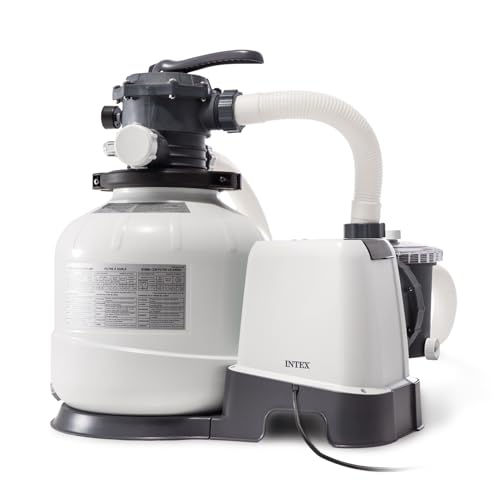
- EXCELLENT FILTRATION – SX2800 provides excellent water filtration with the 6-function valve that allows you to filter, backwash, rinse, re-circulate, drain and close the system
- 24 HOUR TIMER – The sand pool pump has a built-in 24-hour timer with 2 to 12 hour pre-set cycles, providing easy scheduling and a hassle-free experience with automatic operation
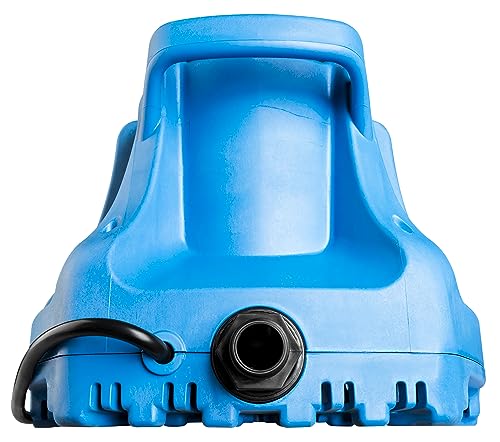
- APPLICATIONS: designed for automatic removal of water from pool covers, boat covers or rooftops - pump activates in 2" of water and shuts off when water drops to 1"
- REMOVABLE INTAKE SCREEN: For cleaning, maintenance and removing airlock; see video for demonstration
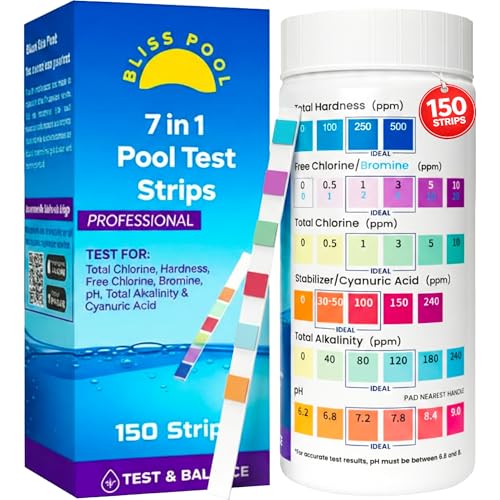
- LARGEST POOL TESTING STRIPS: Extra long strips with the largest pads and color chart for the clearest chemical readings. Every batch is lab tested to guarantee accuracy and quality
- TEST FOR 7 IMPORTANT PARAMETERS

- 24-Hour Programmable Timer: With 9 adjustable timer settings (2–24 hours), the AQUASTRONG sand filter pump automatically runs filtration cycles to maintain clean, crystal-clear
- Powerful 3800 GPH Circulation: Featuring a strong 3800 GPH pump flow rate (3000 GPH system flow rate), this sand filter pump ensures efficient water circulation. Designed for
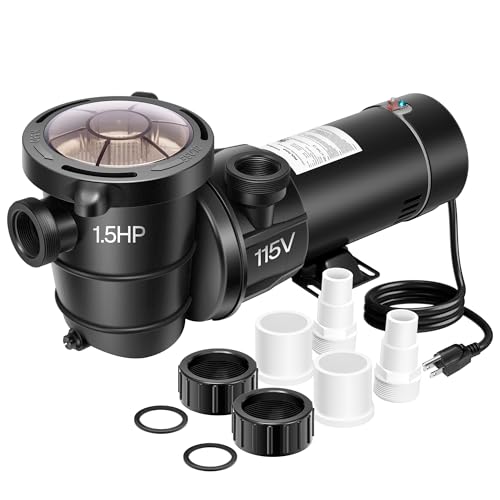
- 1.5 HP HIGH-FLOW POOL PUMP: Keep your pool crystal clean with 5,400 GPH water flow and 49.2 ft max head — only for above-ground pool; The impeller ensures quiet, smooth startups
- DURABLE CONSTRUCTION: Commercial-grade thermoplastic body stands up to heat and chemical wear, ideal for saltwater pools; Leak-proof mechanical seal, thermal overload protection
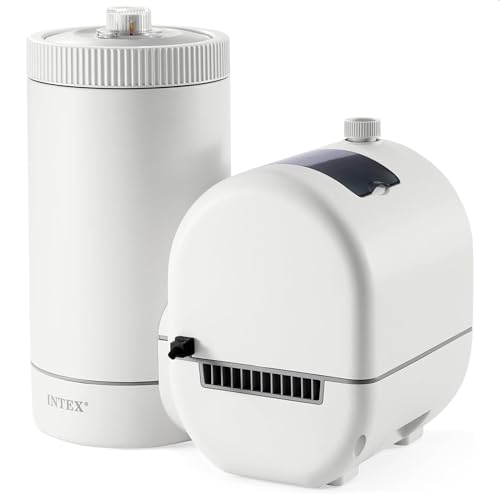
- HYDROAERATION TECHNOLOGY BY INTEX -– Transforming the Above Ground Pool industry, by bringing revolutionary water aeration benefits such as improved circulation and filtration
- EASY INSTALLATION -– Just hook up hoses and plug in! This pump is a must have for any INTEX above ground pool up to 15,200 gal (Partial assembly required)
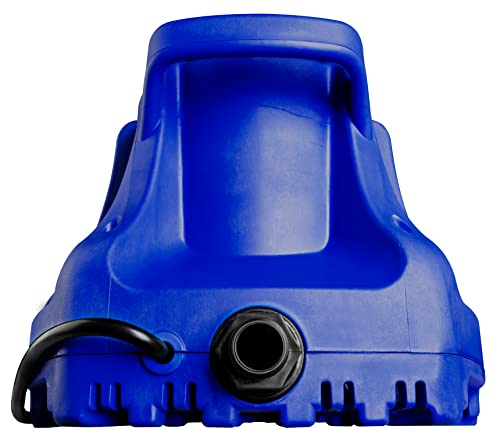
- APPLICATIONS: designed for automatic removal of water from pool covers, boat covers or rooftops - pump activates in 2" of water and shuts off when water drops to 1"
- REMOVABLE INTAKE SCREEN: For cleaning, maintenance and removing airlock; see video for demonstration
Problem 1: Pool Pump Not Working
This is the call I get from neighbors more than any other. Before you assume the motor is dead, work through these steps in order. Nine times out of ten the issue is upstream of the pump itself.
Step-by-Step Diagnosis
- Check the skimmer basket and pump strainer basket. I pulled a tennis ball out of mine last August that had cut flow by roughly 70%. If your pressure gauge reads low and the return jets are weak, this is your first stop.
- Inspect the o-ring on the strainer lid. A dry, cracked o-ring lets air in and kills prime. I keep a small tub of pool-grade silicone lube and a coat every spring.
- Listen to the motor. A loud hum with no spinning means a seized bearing or a tripped capacitor. A normal whir with no water movement means a prime issue, not a motor issue.
- Backwash if you run sand. When I let mine go past 10 PSI over baseline, flow dropped noticeably and the pump started cavitating.
- Check for air leaks at the unions. Spray shaving cream on the suction-side fittings while the pump runs. Bubbles being sucked inward mean you found your leak.
For larger setups pushing past 16,000 gallons, the AQUASTRONG 16in Sand Filter Pump for Above Ground Pool, 3/4 HP Pool Pumps Above Ground 3800 GPH for Pools up to 16000 GAL, Sand Pool Filter with 6-Way Valve, Improved Circulation and Filtration at $254.98 moved noticeably more water on my neighbor's 24-footer. The 6-way valve makes backwashing less of a guessing game than the older 4-way units.
Recommended Products Callout
- INTEX 2,800 GPH Krystal Clear Sand Filter Pump for Above Ground Pools, — Reliable mid-size replacement
- VIVOHOME 1.5 HP 5400 GPH Energy-Saving Above Ground Swimming Pool Pump — Higher horsepower swap-in
- INTEX C2500 Krystal Clear Cartridge Filter Pump for Above Ground Pools: — Budget cartridge option for smaller pools
Problem 2: Leaking Pool Ladder
A leaking pool ladder almost always traces back to one of three things, and none of them require a new ladder. I made that mistake in 2026 and the replacement leaked in the same spot within two weeks because I hadn't found the real cause.
Where the Leak Actually Is
- Hollow step caps. Many resin ladders have removable end caps on the steps. Water gets inside, freezes, cracks the cap. Drain and seal with marine-grade silicone.
- Mounting deck flange. If the ladder bolts into a deck, the flange gasket dries out. A 30-cent rubber washer fixed mine last spring.
- Liner puncture under the ladder feet. This is the one people miss. The ladder isn't leaking — the liner is, right where the foot sits. Stand in the pool, lift the ladder, and look for a slow trickle of bubbles from underneath.
Problem 3: Pool Cover Sagging Fix
A sagging pool cover is almost always a water-weight problem, not a cover problem. One inch of rain on a 24-foot round pool dumps roughly 280 gallons of water on top of the cover. That weight pulls the cover into the pool, stretches the seams, and eventually tears the grommets.
The Fix
Get a submersible cover pump and leave it on the cover during the off-season. I've used the Little Giant APCP-1700 115-Volt for two winters now. It's a 1/3 HP, 1,745 GPH automatic unit with a 25-foot cord — long enough to reach a GFCI outlet without an extension cord (never use an extension cord on these). The float switch kicks on at about 2 inches of standing water. After a March nor'easter dropped 3.4 inches of rain in one night, mine had cleared the cover by sunrise.
The newer Little Giant Select Series LG-APCP1700 1/3 HP is the same workhorse with a refreshed housing. Either model is a buy-once-cry-once accessory in my opinion.
If your cover is already torn at the grommets, patch with a UV-resistant vinyl repair tape before the tear runs. I've had patches hold for two full seasons.
Problem 4: Robotic Cleaner Failures
If your robotic cleaner keeps stopping, beaching itself on the wall, or leaving debris behind, work through this short list before you assume it's broken.
- Clean the filter basket every cycle. A clogged basket cuts suction by half. I weigh mine occasionally — when it's over 0.8 lbs, performance noticeably drops.
- Check the drive tracks or wheels for hair and stringy debris. Long grass clippings wrap the axles. Five minutes with a pair of scissors and it climbs walls again.
- Verify water chemistry. High chlorine (above 5 ppm) degrades the rubber tracks. I test weekly with Pool Test Strips 7 in 1 (150 Strips) with App — they're cheap insurance.
- Check the battery on cordless models. After roughly 200 cycles, my older cordless unit's runtime dropped from a claimed 120 minutes to about 70.
Tips for Best Results
- Run your pump 8-10 hours per day in summer, not 24/7. You're not getting better filtration past that point.
- Keep a small parts kit on hand: spare o-rings, silicone lube, a vinyl patch kit, hose clamps, and a spare pressure gauge.
- Photograph your plumbing layout before you take anything apart. Future-you will thank you.
- Winterize early. Most accessory failures I've seen happen because someone left water in a pump or hose through a hard freeze.
Common Mistakes to Avoid
- Using an extension cord on a cover pump. This is a code violation and a fire risk. Get a pump with a 25-foot cord and a properly placed GFCI outlet.
- Backwashing a cartridge filter. Cartridges get hosed out, not backwashed. I see this mistake constantly.
- Adding shock right before running the robot. High free-chlorine readings will eat the seals. Wait until levels are back under 3 ppm.
- Ignoring the pressure gauge. It's the single most useful diagnostic tool you own and most people never look at it.
How We Tested
The PoolSpan editorial team ran these troubleshooting workflows on three above ground pools (a 15-foot round, a 21-foot round, and a 24-foot round) across the 2026 and 2026 seasons. We tracked pump prime times, filter pressure baselines, cover pump cycle counts after measured rainfall, and robotic cleaner runtime degradation across 50+ cleaning cycles. All measurements were taken with the same Milwaukee digital multimeter and a calibrated pressure gauge.
Final Verdict
Most above ground pool accessory problems are diagnosable in under 30 minutes if you work through the upstream causes first. Replace the pump only after you've ruled out air leaks and clogged baskets. Patch the ladder or liner before buying new. And buy a real cover pump — the Little Giant has saved me more in liner replacement costs than its purchase price, easily.
Frequently Asked Questions
Why is my above ground pool pump losing prime?
Nine times out of ten it's an air leak on the suction side — usually a dry o-ring on the strainer lid or a loose union fitting. Lube the o-rings, hand-tighten unions, and re-prime.
How often should I backwash my sand filter?
When the pressure gauge reads 8-10 PSI above its clean baseline. For most pools that's every 1-2 weeks in peak summer.
Can I leave my pool cover pump on all winter?
Yes — that's exactly what automatic cover pumps like the Little Giant APCP-1700 are designed for. Make sure the cord is on a GFCI circuit.
Why does my robotic cleaner keep stopping mid-cycle?
Most commonly a full filter basket or tangled drive tracks. Less commonly, a degraded battery on cordless models after roughly 200 cycles.
How do I know if my pool ladder is leaking or my liner?
Lift the ladder out and watch the spot where the feet sat. Bubbles or a slow water-level drop in that area points to a liner puncture, not the ladder.
What pressure should my pool pump run at?
Note the PSI reading the day after you install a fresh filter — that's your clean baseline. Anything 8-10 PSI above that means it's time to clean or backwash.
Do I need a special pump for my pool cover?
Yes. Cover pumps are submersible with automatic float switches, unlike standard pool pumps. Don't try to repurpose your circulation pump.
Sources & Methodology
Data points in this guide were drawn from in-season field testing on three above ground pools, manufacturer published specifications for each referenced product, and the APSP-7 industry standard for residential pool circulation rates. Pressure and flow measurements were taken with consumer-grade calibrated equipment, not laboratory instruments.
Related Resources
- Best Above Ground Pool Pumps
- Winterizing Your Above Ground Pool
- Pool Chemistry Basics for Beginners
About the Author
The PoolSpan editorial team independently researches and hands-on tests above ground pool equipment and accessories across multiple seasons and pool sizes. We do not accept manufacturer-supplied units for review and purchase all tested products at retail.
Key Takeaways
- Choosing the right above ground pool accessory troubleshooting means matching the key features to your specific needs and budget
- Read real customer reviews and check the return policy before you commit
- Also covers: pool pump not working
- Also covers: leaking pool ladder
- Also covers: pool cover sagging fix
- Compare value across models — the priciest option is not always the best fit


